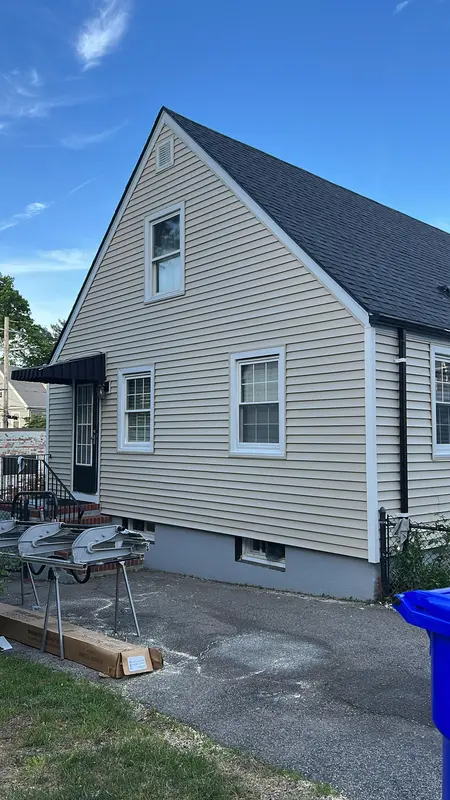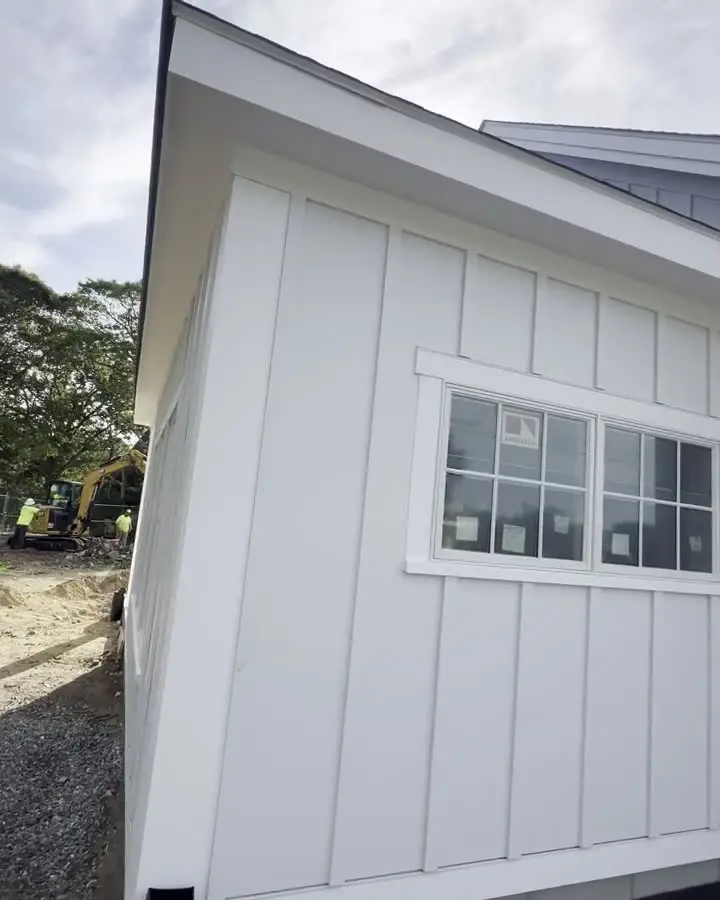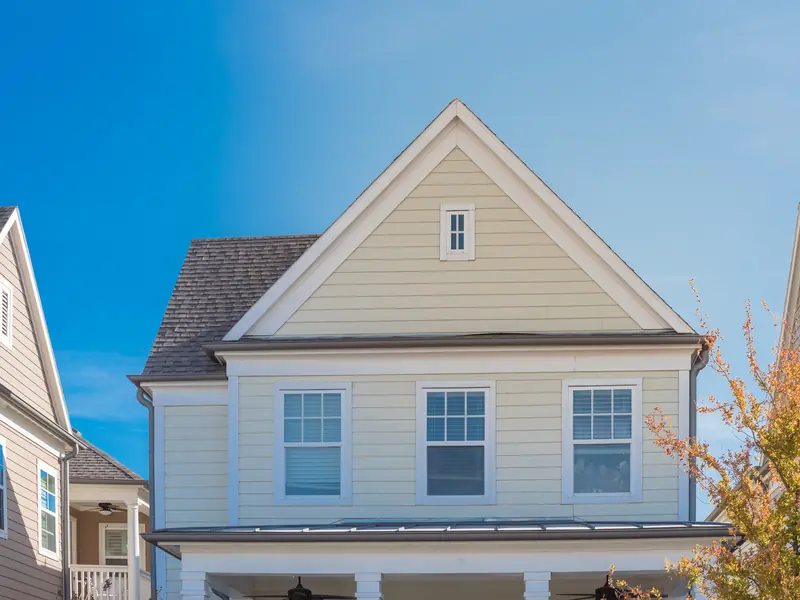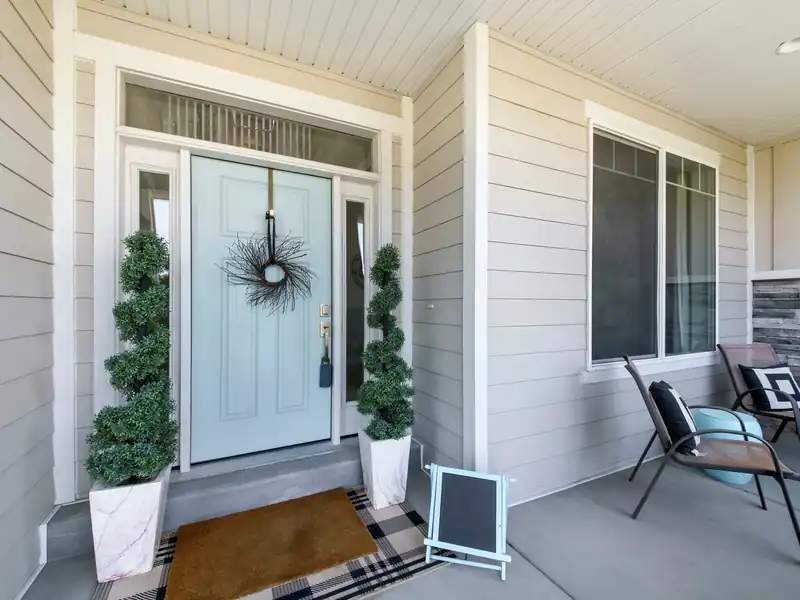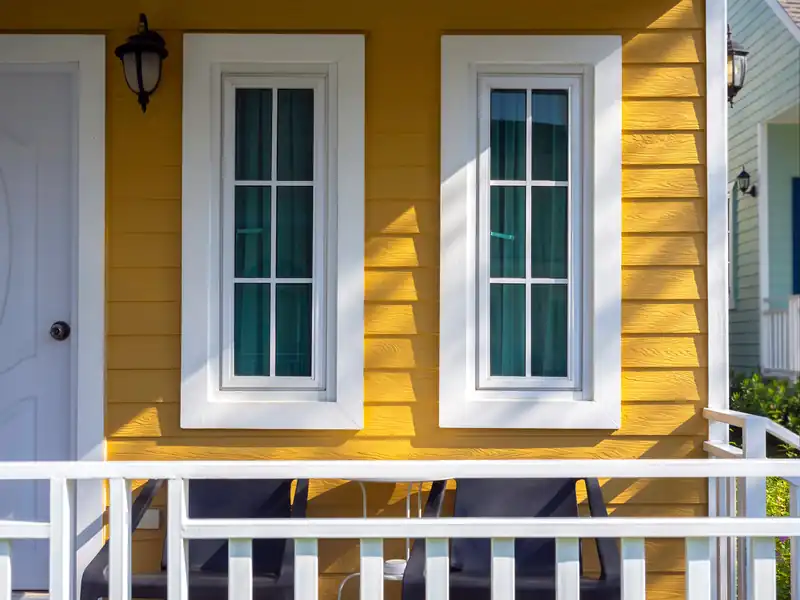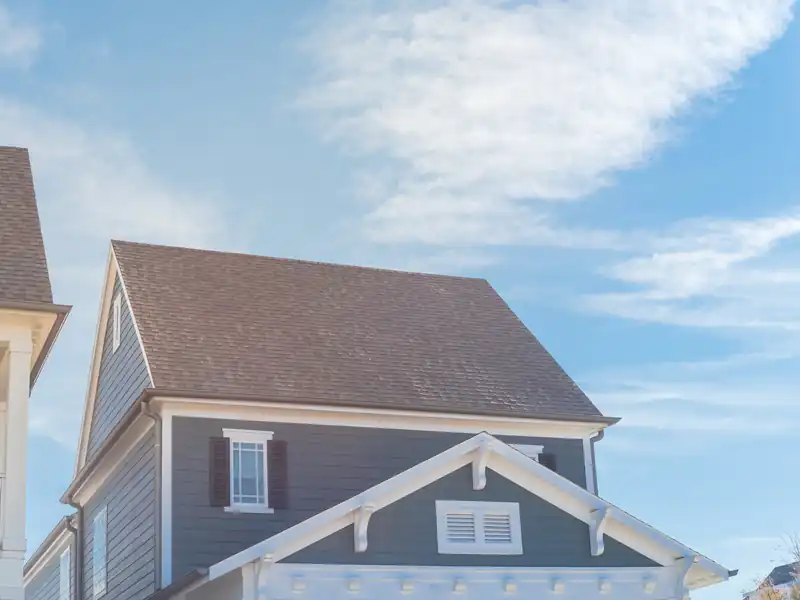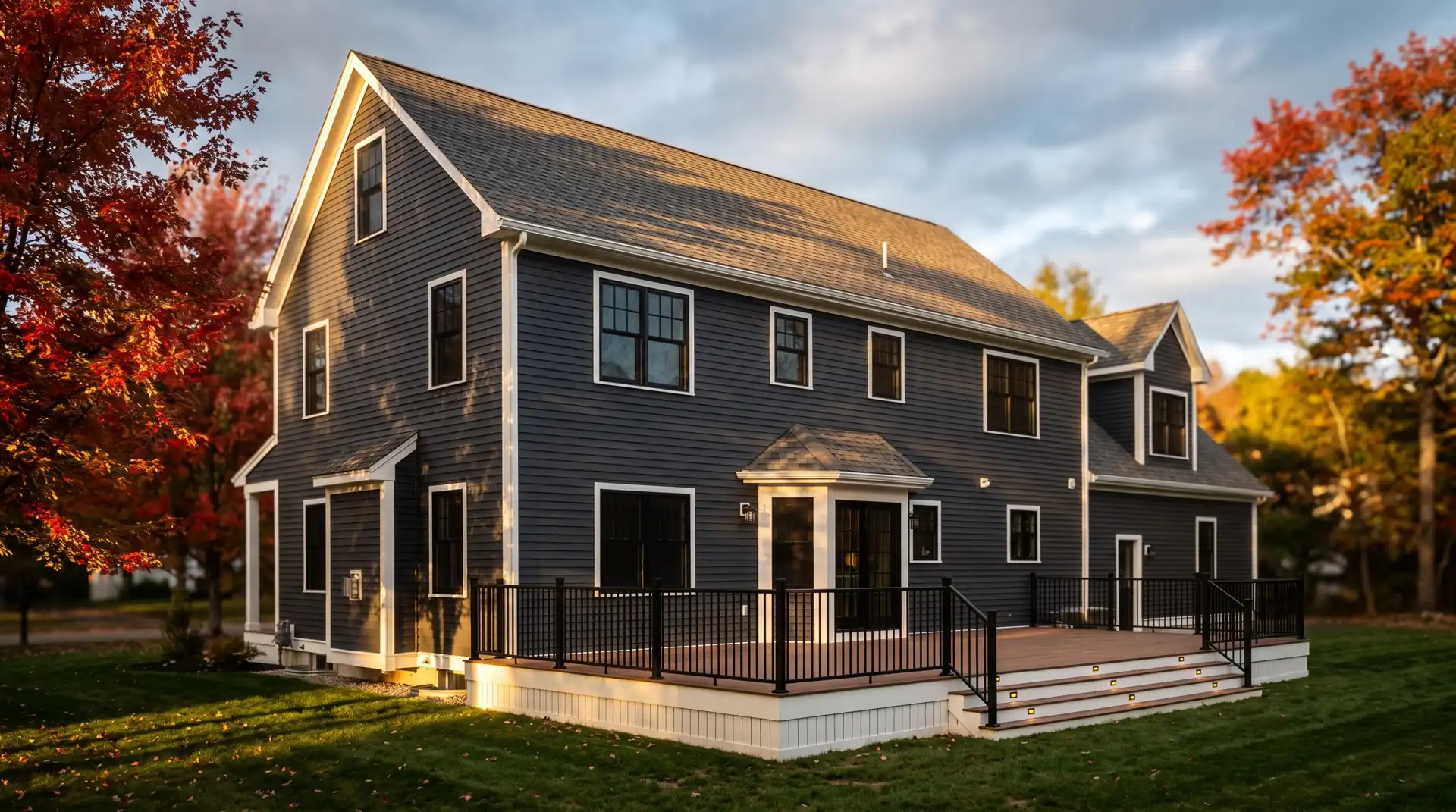

Aluminum trim wrap is how most Massachusetts homes get trim that never needs paint. We take flat aluminum coil stock and bend it on a brake into custom shapes that cover your fascia, rake boards, window casings, sills, door trim and frieze boards. The finish is baked on at the factory, so once it's up, you're done scraping and painting the parts of the house that peel the fastest. It also covers the old wood in place, so the trim lines and shadow of your original casings stay the same.
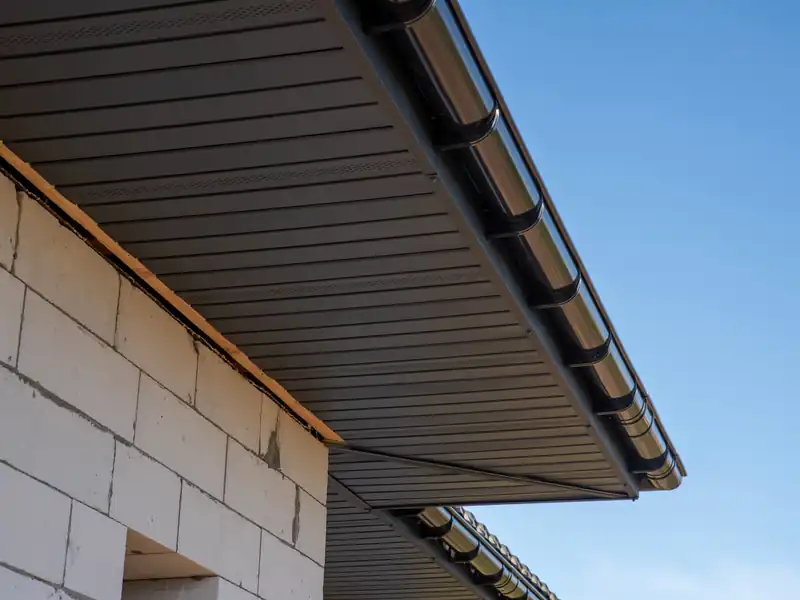
Wrapping is part of almost every siding job we do. Our standard is aluminum-wrapped fascia with vinyl soffit, and we wrap window and door casings to match. In North Adams, for example, we wrapped 186 linear feet of fascia in aluminum, put up new vinyl soffit and wrapped every window and door on a home we re-sided in vinyl. We also do trim-wrap jobs on their own when the siding is still in good shape. Ask for a trim-only quote if your siding is still sound.
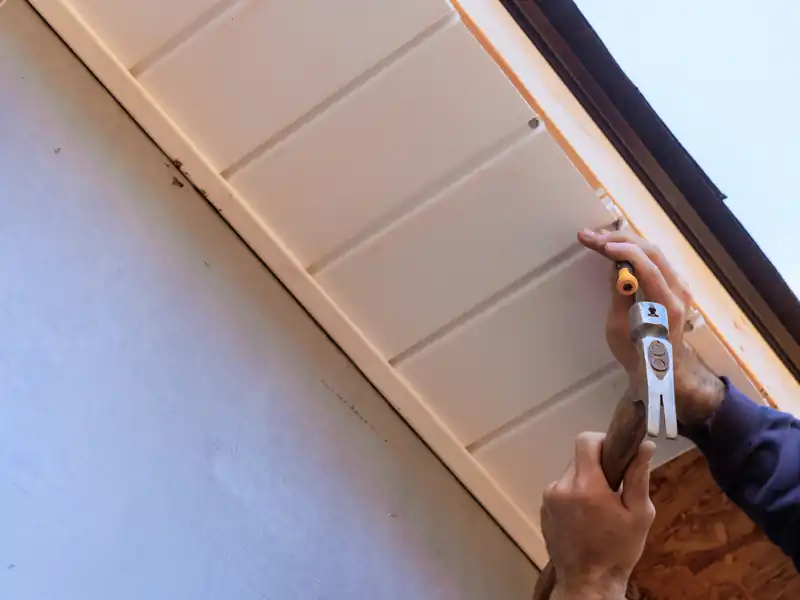
The one rule we never skip: we don't wrap over rot. Aluminum hides whatever is under it, so wrapping a soft fascia board just traps the problem until it gets worse. Before any wrap goes on, we probe the wood, cut out the bad sections and replace them. Then the aluminum goes on over solid wood, with laps that shed water down and away. You'll see photos of anything we replace, so you know exactly what went under the metal before we closed it up.
What's included
- Existing trim probed for soft wood
- Rotten fascia and casings replaced
- Coil stock bent on site on a brake
- Fascia and rake boards wrapped
- Window and door casings wrapped
- Sills wrapped with a drip edge bend
- Color-matched trim nails
- Daily cleanup and magnet sweep
Signs it's time
- Paint peeling on fascia and window trim
- Soft wood you can push a screwdriver into
- Old wrap dented, loose or wavy
- Gaps where wrap pulled away from corners
- Stains under sills from water getting in
How trim wrap is bent and fastened
Coil stock comes in rolls of painted aluminum, usually 24 inches wide, in a range of colors. We cut it to width and bend it on a brake, which is a long bench tool that folds the metal into clean, sharp angles. Each window casing, sill and fascia gets its own piece shaped to fit, with a folded hem on exposed edges so they stay stiff and safe. Bending on site means each piece is shaped to your actual trim, down to the old sill angle.
Aluminum moves with heat, so we don't nail it tight. Trim nails go in along edges where they hide under laps, and pieces overlap so they can slide. Every lap faces down, so water running down the trim flows over the joint instead of into it. Heavier coil stock resists dents and waves better on wide pieces like fascia. At the sills, we bend a small drip edge so water falls clear of the siding below. Exposed edges get hemmed for stiffness.
Compared to PVC trim, wrap costs less and covers your existing wood in place, which keeps the original trim lines of an older house. PVC gives a solid board with crisper edges. Wrap is best over sound wood. On trim that's badly rotted, replacing the board with PVC is often the better fix. Popular aluminum trim coil lines include Gentek, Alside and Amerimax, each with its own color chart. Tell us which one you want, or which siding color you need to match, and we price that exact coil.
What happens behind your aluminum trim wrap
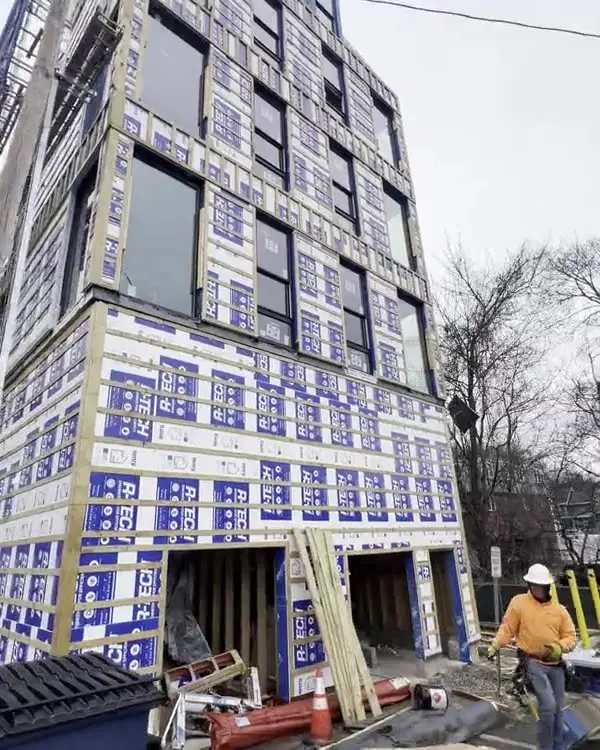
You won't see most of this once the job is done. That's why we photograph it before we cover it.
- Substrate inspected and photographed before it's covered
- Every opening flashed so water gets directed back out
- Seams and laps of the weather barrier taped and sealed
- Fastening and clearances per the manufacturer's manual
- Soffit ventilation kept open, corners and returns sealed
- Site cleared and magnet swept at the end of every day