
A lot of Massachusetts homes were built long before anyone worried about drafts. Walls in a 1920s colonial or a 1950s cape often have little or nothing in the cavities, and old sheathing boards leave gaps you can feel when the wind picks up in January. You turn the thermostat up and the front room still feels cold.
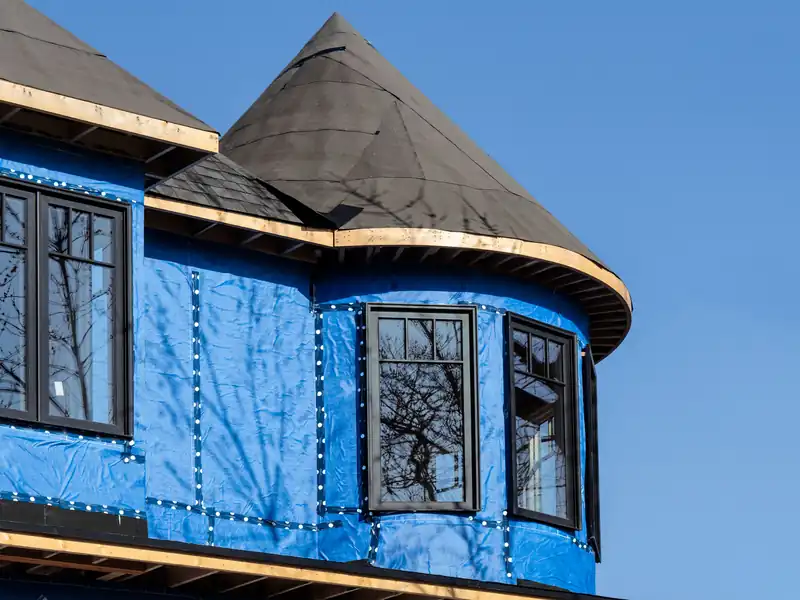
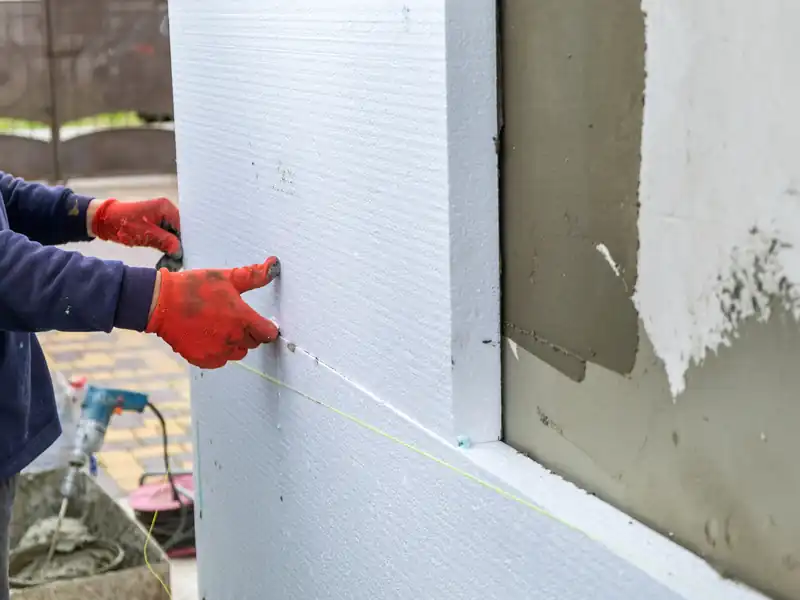
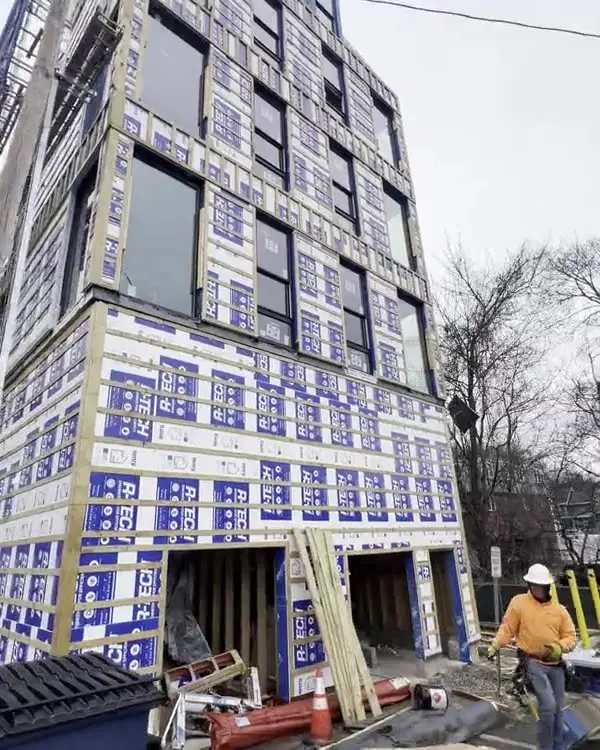
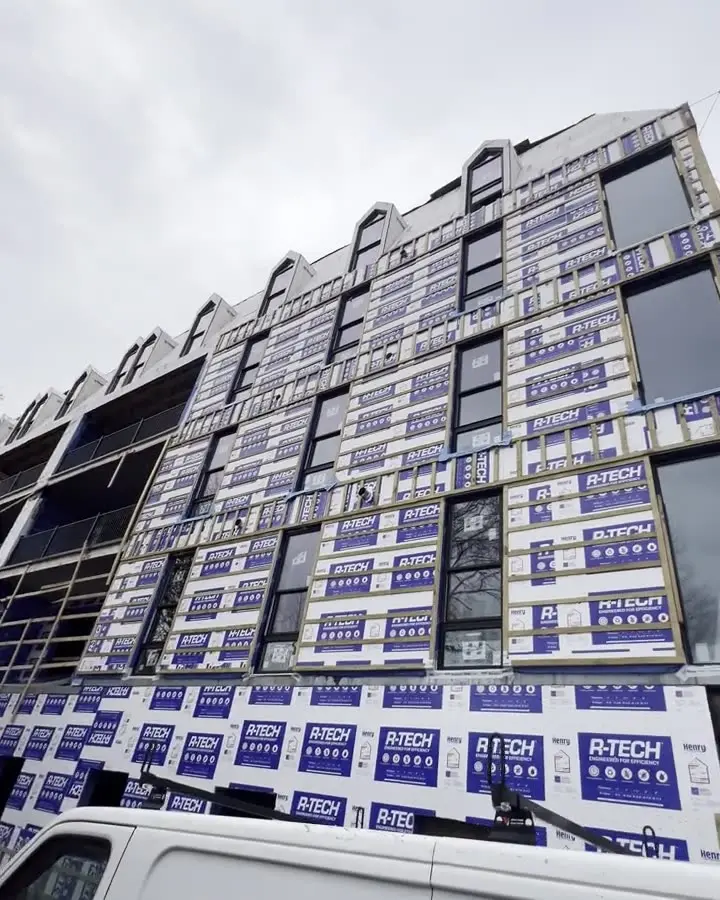
The easiest time to fix that is when your old siding is already coming off. With the walls opened to the sheathing, we can add a layer of continuous rigid insulation across the whole house, then wrap it in DuPont Tyvek HomeWrap with every seam and lap taped and sealed.
You get a tighter house without tearing up a single wall inside. There's no drywall dust to clean up, no furniture to drag into the garage and no painting to do afterward. The new siding goes on over the top, and your family lives in the house the whole time we're working outside.
What's included
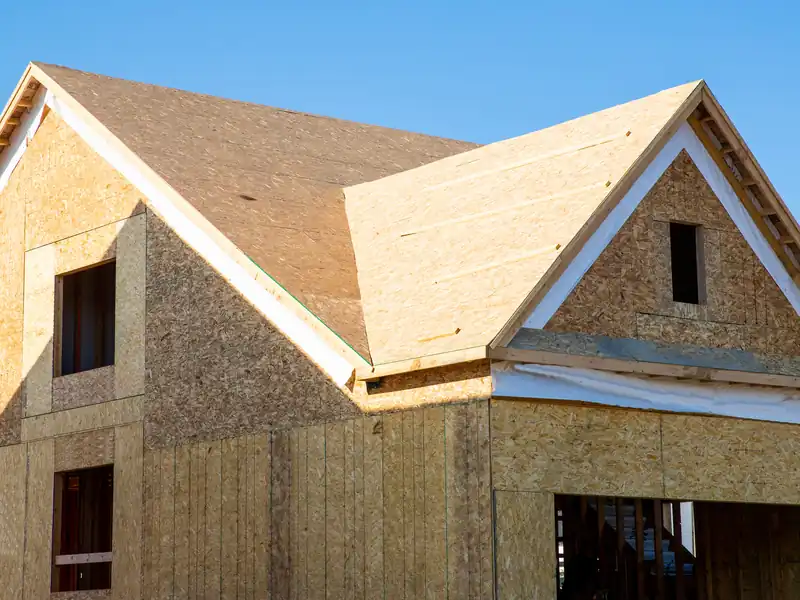
- Old siding torn off down to the sheathing
- Substrate inspected and photographed before it's covered
- Damaged sheathing flagged and addressed in writing
- Continuous rigid insulation fastened across your walls
- DuPont Tyvek HomeWrap installed over the insulation
- Every seam and lap taped and sealed
- Window and door openings flashed so water is turned back out
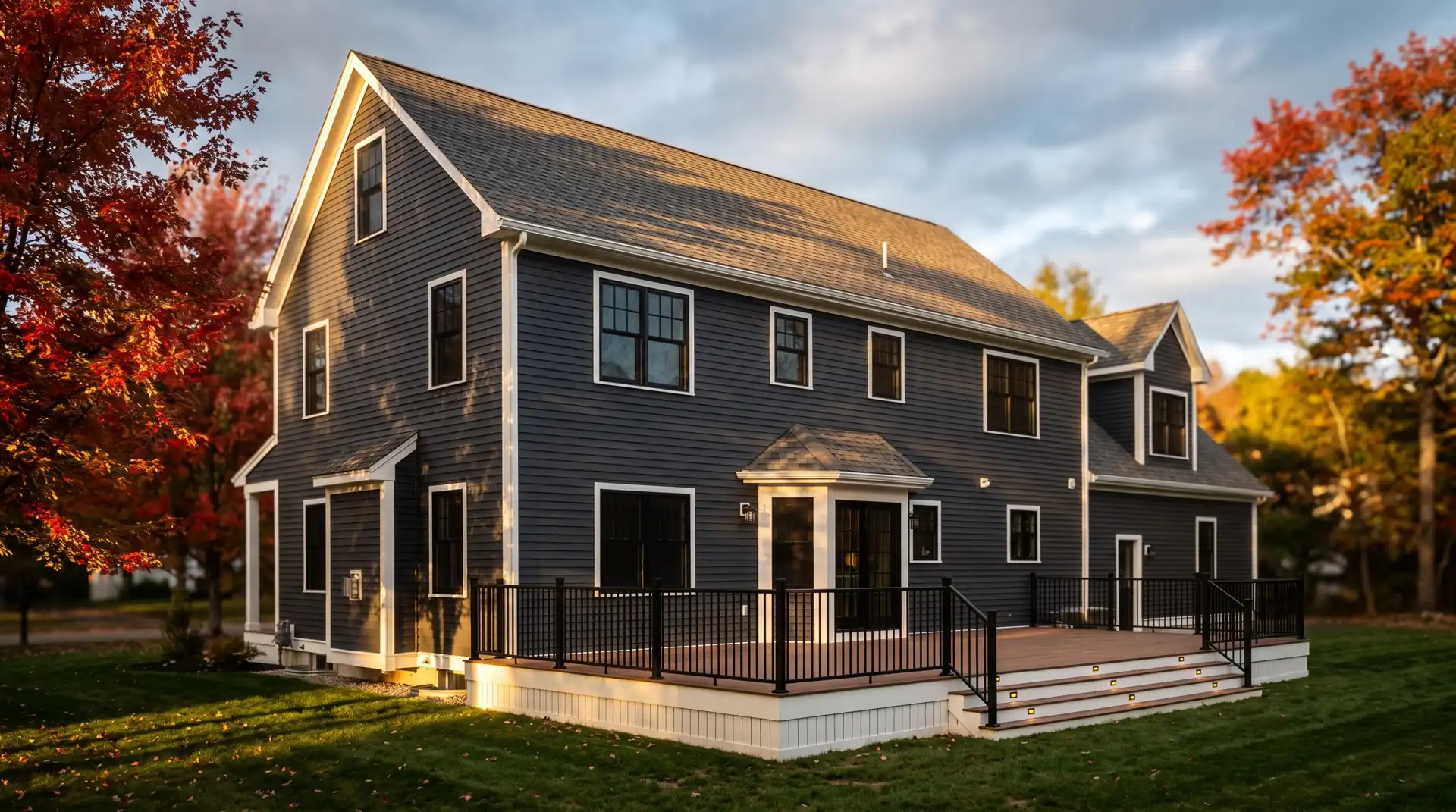
- New siding installed per the manufacturer manual
Signs it's time
- You feel cold air near outlets and baseboards on exterior walls
- Some rooms never warm up in the winter
- Your heating bills climb every year with no change in habits
- Your house has old siding with little or no insulation behind it
- You're already planning to replace your siding
Why Insulation and Re-Siding Belong Together
Re-siding is the one moment your exterior walls are wide open. The old vinyl, aluminum or cedar comes off, staging is already up and the crew is already there. Adding a layer of rigid insulation at that point costs far less than doing it as its own project later, because the hardest part of the work is already happening.
On a lot of older homes we strip, we find layers. Vinyl over cedar shingle, sometimes asbestos siding in between, and plain board sheathing with gaps behind all of it. We photograph what we find before anything new covers it, so you have a record of your walls and you know what's going back on.
Then the wrap goes on. DuPont Tyvek HomeWrap covers the insulation, every seam and lap gets taped and sealed, and each window and door gets flashed so water heads back out. We can't promise a number on your bills, and we won't. What you will notice is fewer drafts and rooms that hold heat longer.
What we install
- Continuous rigid insulation over the sheathing
- DuPont Tyvek HomeWrap weather barrier
- Seams and laps taped and sealed
- Flashing at every window and door opening
- Gentek vinyl or James Hardie fiber cement siding over the top