
Every siding material lets some water get behind it. Wind pushes rain through laps, joints and gaps around trim, and it happens on every house in Massachusetts. House wrap is the layer that catches that water and sends it back down and out before it reaches your sheathing. DuPont Tyvek HomeWrap sheds liquid water while still letting water vapor pass through, so a wall that does get damp can dry. That second line of defense is what keeps a small leak from turning into rotten sheathing, swollen trim and mold you never see until the siding comes off.
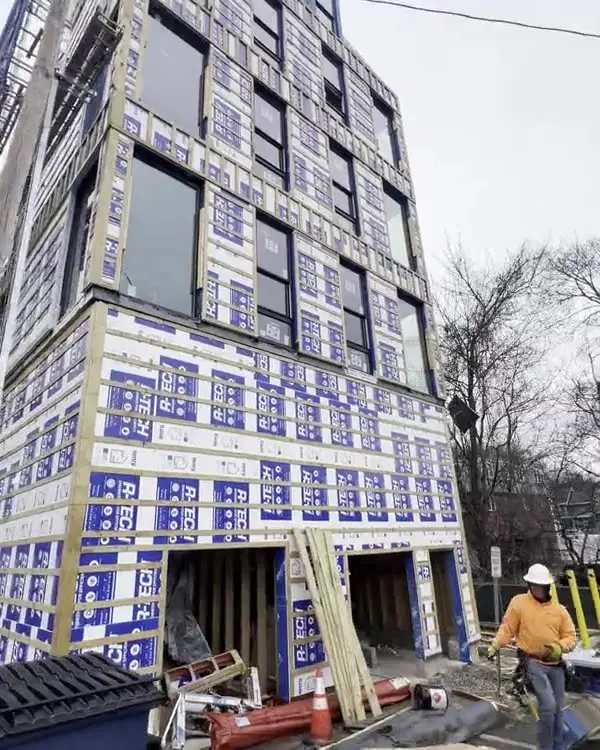
The wrap only works if it's installed in the right order. Each course laps over the one below it, like shingles on a roof, so water always runs onto the face of the next sheet and never behind it. Seams get taped with the tape made for the wrap. Tears and staple holes get patched. Cutting corners here costs nothing on day one and a lot of money years later when the sheathing behind it starts to rot. Common systems include DuPont Tyvek, Typar and Barricade. Tell us which one you want and we price that exact product.
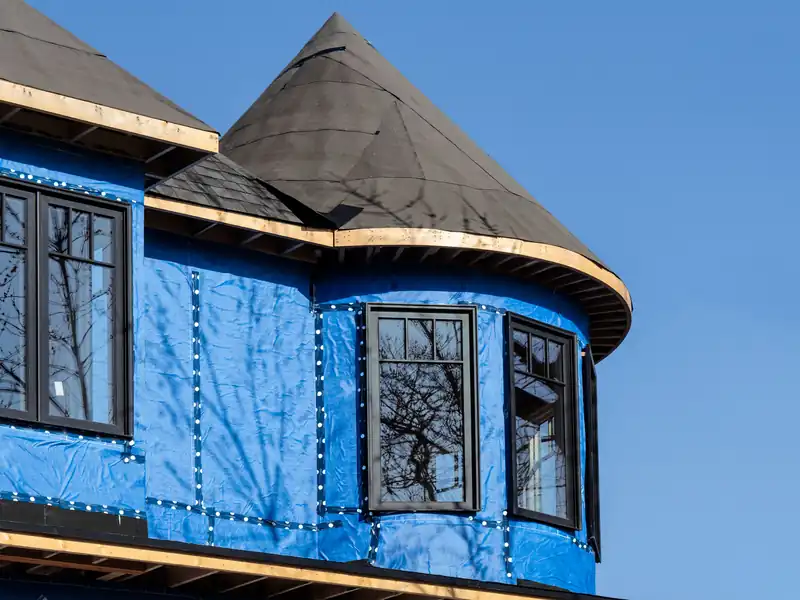
Openings are where most walls leak. Before we wrap, we look at every window and door. Then we tie the wrap into each rough opening with sill pans, side flashing and head flashing, lapped so water runs out at the bottom. From our office in Auburn we serve homes across Massachusetts, and we photograph your wrapped walls before a single piece of siding covers them, so you can see the work that ends up hidden. If we find damage behind the old siding, you see the photos and the fix before we move on.
What's included
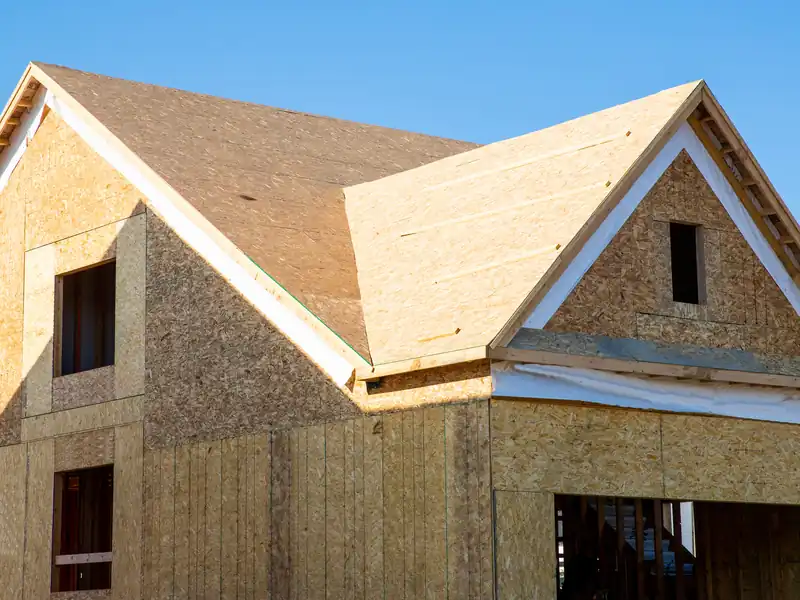
- Old siding and failed paper removed
- Sheathing inspected and photographed
- Soft or rotten sheathing replaced
- DuPont Tyvek HomeWrap, shingle-lapped
- Seams and laps taped with matching tape
- Sill pans and flashing at each opening
- Tears and penetrations patched and sealed
- Photos of every wall before siding
Signs it's time
- Stained or soft sheathing under old siding
- Water marks below windows inside
- Felt paper that's torn, brittle or missing
- Peeling paint on the exterior trim
- A drafty room on the windward side
Why lap direction matters more than the brand
Water follows gravity and whatever path you give it. When a wrap course is lapped backward, with the lower sheet over the upper one, water running down the face slips behind the seam and soaks the sheathing. Tape won't fix a reverse lap for long. We start at the bottom of each wall and work up, so every upper sheet covers the one below it by the overlap the manufacturer calls for.
Windows need the same logic. The sill flashing goes in first, then the side flashing over it, then the head flashing over the top, with the wrap above lapped over the head. On a retrofit we cut the wrap so it tucks under the head flashing. Get that order wrong and any water that reaches the window head runs straight into the wall. We check each opening before we move to the next wall, and we photograph it.
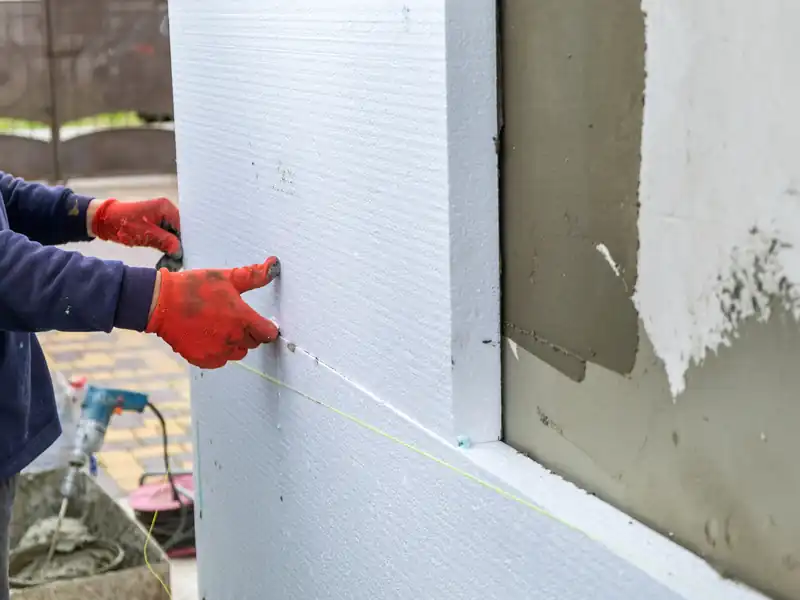
House wrap also slows air leaks when the seams are taped and the edges are sealed at the foundation and the top plate. That can help with drafts, but it's a secondary benefit. The main job is drainage. If your home also needs better air sealing or more insulation, we'll talk through continuous exterior insulation as part of the same siding project. Adding foam later means removing the siding again, so it pays to decide up front.
What happens behind your house wrap
You won't see most of this once the job is done. That's why we photograph it before we cover it.
- Substrate inspected and photographed before it's covered
- Every opening flashed so water gets directed back out
- Seams and laps of the weather barrier taped and sealed
- Fastening and clearances per the manufacturer's manual
- Soffit ventilation kept open, corners and returns sealed
- Site cleared and magnet swept at the end of every day