
Standing seam metal is built for the kind of snow load New England puts on a roof. Smooth panels let snow slide off instead of piling up for weeks, and the raised seams keep water moving down the roof instead of sideways into the joints. On a north-facing slope that never sees much winter sun, that makes a real difference by February.
Panels run from eave to ridge in one length, with the seams locked together above the flat of the panel. There's no grid of nail heads waiting to back out, which is what you get with cheaper exposed-fastener metal. It suits low slopes, farmhouses, modern additions and outbuildings, and it holds up well on shady lots where moss would grow on shingles.
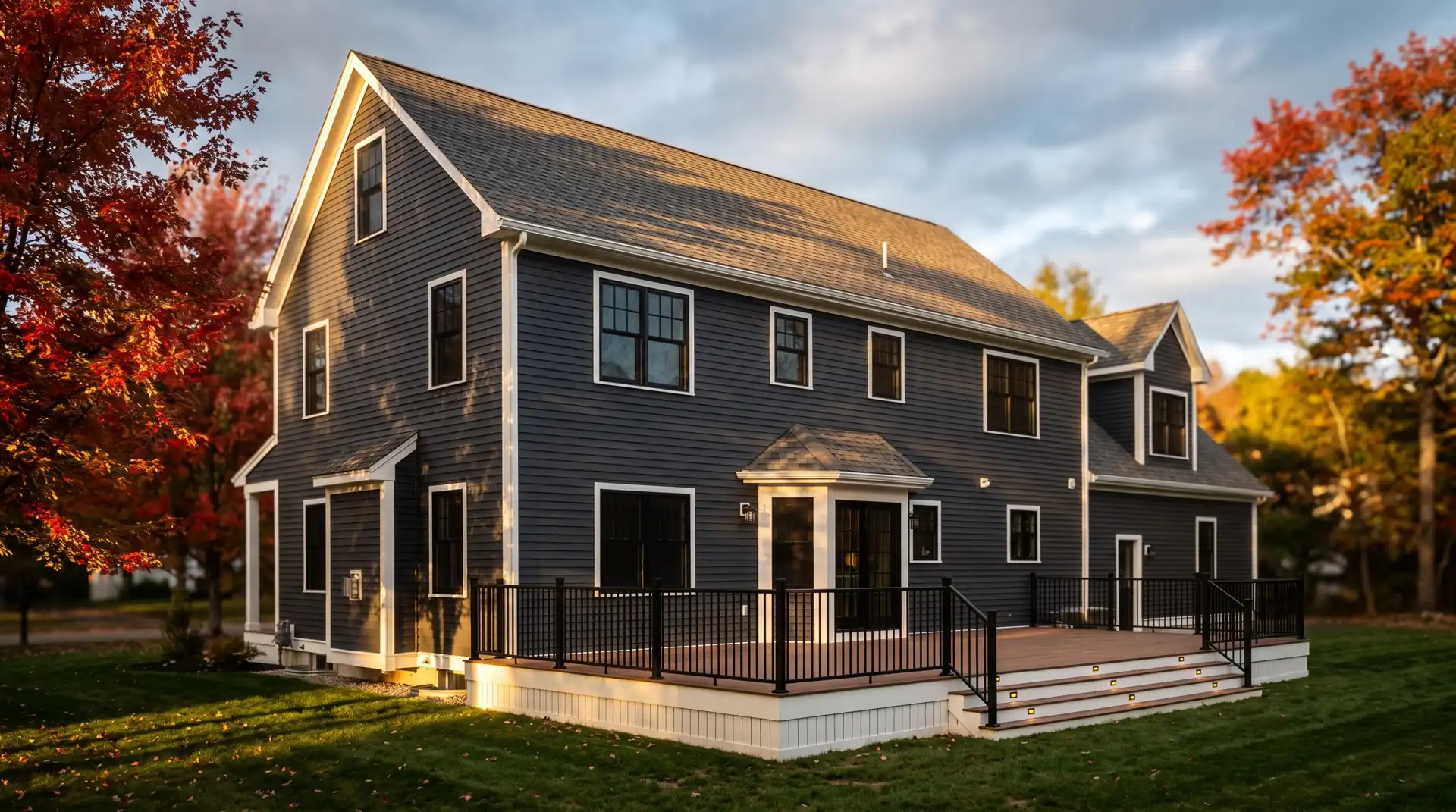
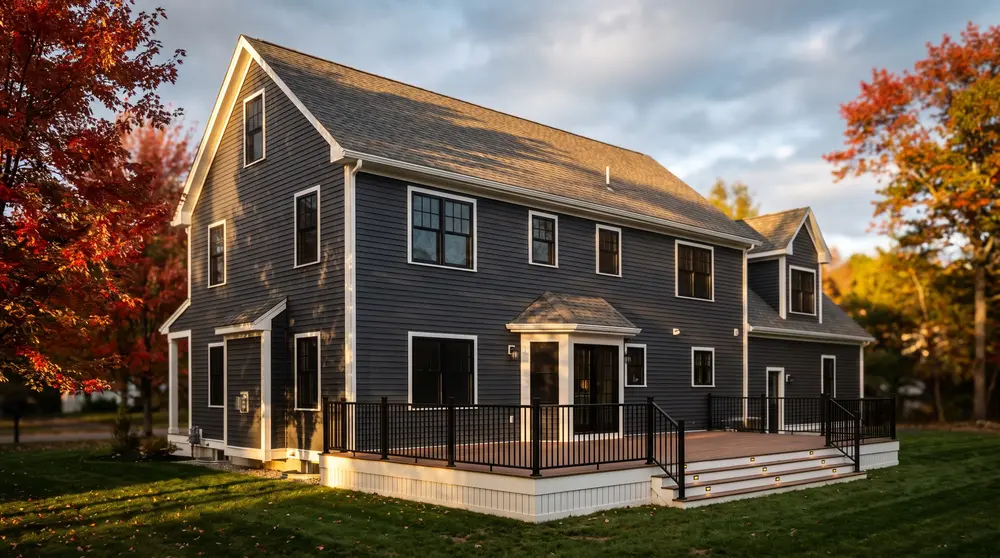
In Southbridge, we put a standing seam metal roof on a home and on the shed out back, then hung new gutters, re-sided the house in vinyl and replaced the windows and doors. It took one crew and one written plan, and the house and shed came out finished to match.
What's included
- Removal of your existing roofing
- Deck inspected and photographed before it's covered
- Standing seam metal panels run eave to ridge
- Trim and closures at eaves, rakes and ridge
- Flashing at chimneys, walls, vents and skylights
- Outbuildings and sheds roofed to match if you want
- Gutters sized and pitched for faster metal runoff
- Site cleared and magnet swept every day
Signs it's time
- Snow sits on your roof for weeks and ice dams keep coming back
- You have a low-slope section where shingles keep failing
- Your barn, shed or garage roof is rusted or leaking
- You want to match a metal roof on an outbuilding
- You'd rather not re-roof again for a long time
Planning a Metal Roof the Right Way
Metal roofs move. Panels expand on a hot July afternoon and shrink on a January night, so they have to be fastened and trimmed to allow for it. We follow the manufacturer manual on fastening and clearances, which keeps your seams tight through every freeze-thaw cycle.
Snow is the other thing to plan for. A metal roof sheds it quickly, sometimes all at once. We look at where it will land, over walkways, decks, entries or your driveway, and talk through gutter placement and layout with you before the job starts, so nothing surprises you the first winter.
If you have a shed or barn on the property, ask about doing it at the same time. Matching roofs tie the whole property together, and you only set up staging and a dumpster once.
What happens behind your standing seam metal roofing
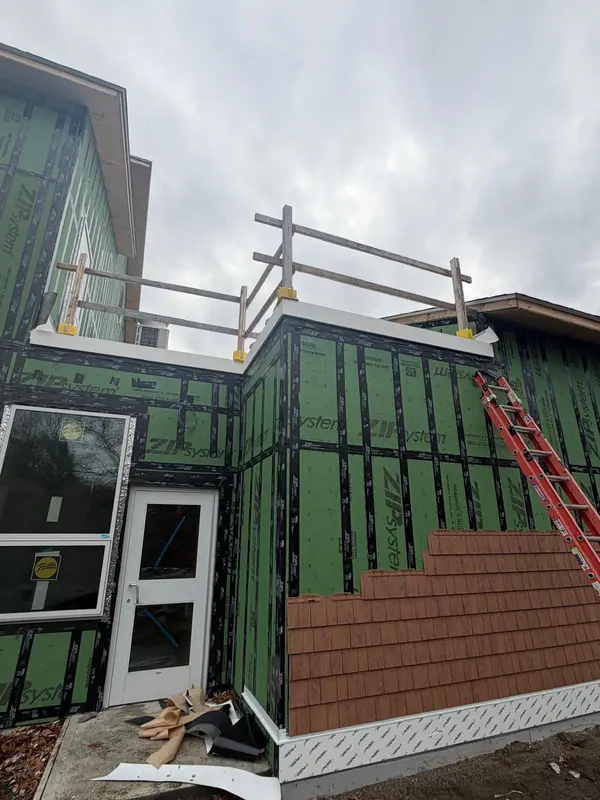
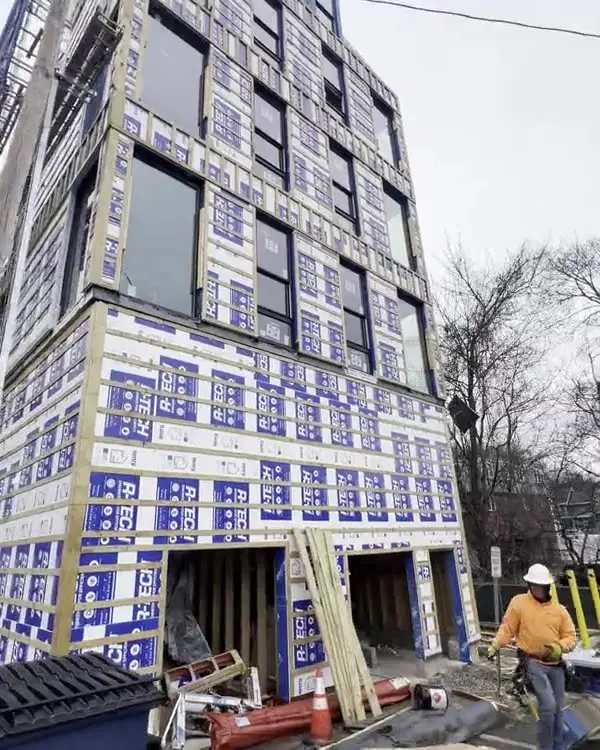
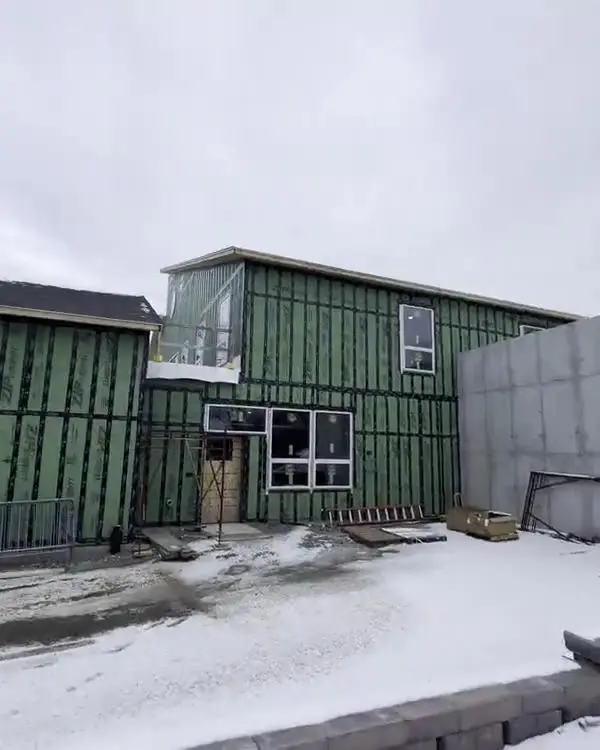
You won't see most of this once the job is done. That's why we photograph it before we cover it.
- Substrate inspected and photographed before it's covered
- Every opening flashed so water gets directed back out
- Seams and laps of the weather barrier taped and sealed
- Fastening and clearances per the manufacturer's manual
- Soffit ventilation kept open, corners and returns sealed
- Site cleared and magnet swept at the end of every day