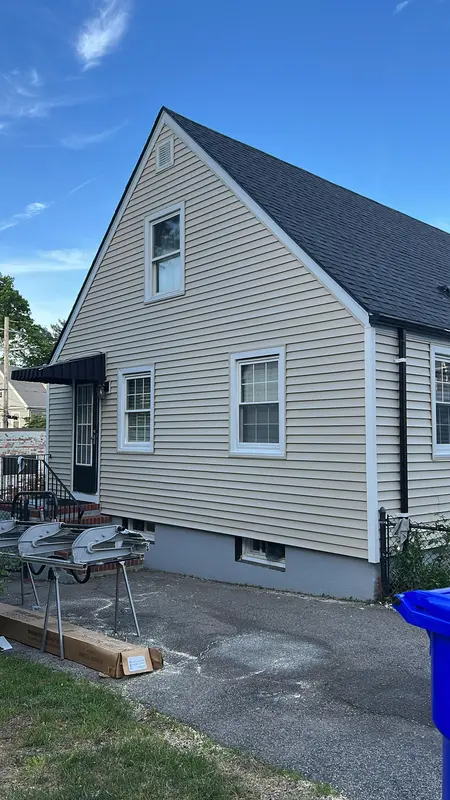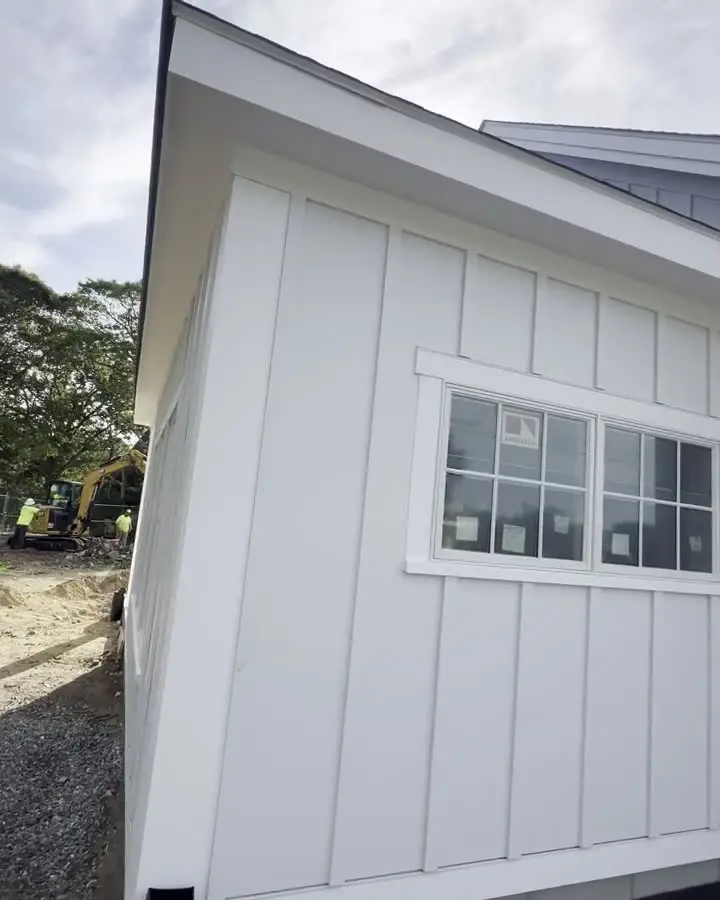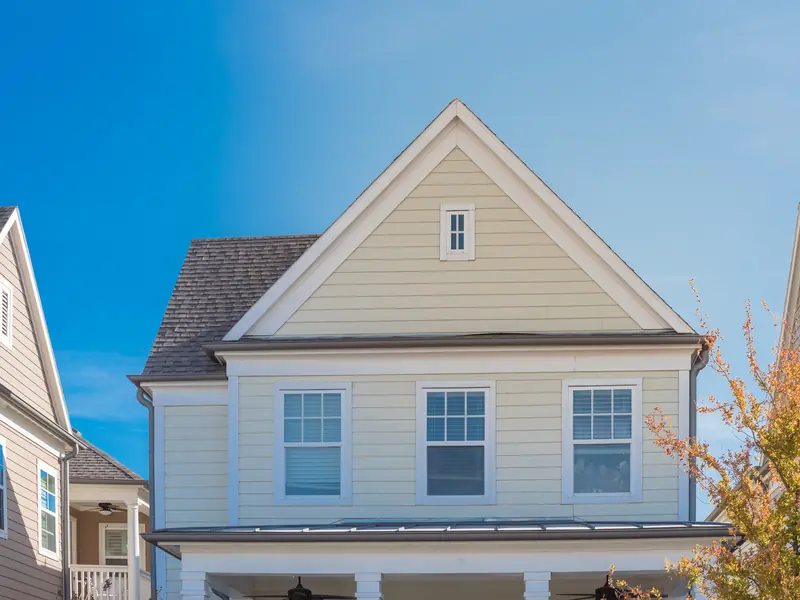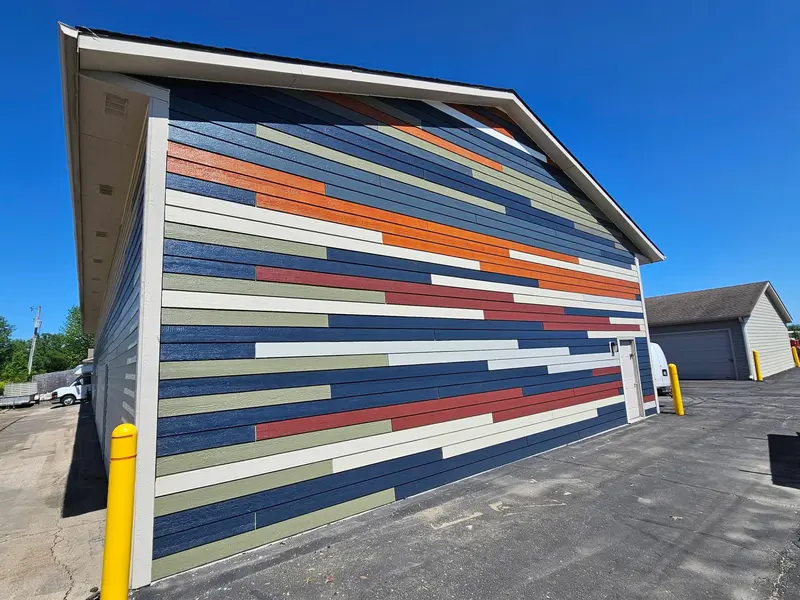

Insulated vinyl siding is regular vinyl with a layer of rigid foam bonded to the back of each panel. The foam is shaped to fit the profile, so it fills the hollow space behind the vinyl. That does three things for your house. The wall looks flatter, the panels resist dents from hail and baseballs, and you get a layer of insulation over your studs, where the insulation inside the wall can't reach. It also makes the panels feel solid when you press on them, instead of flexing back against the wall.
In a Massachusetts winter, heat leaks out through the wood framing in your walls, because wood insulates far less than the fiberglass between it. A continuous layer outside the studs cuts down on that. Insulated vinyl usually adds somewhere around R-2 to R-4, depending on the product. That's a real improvement on an older house with thin walls, though it won't match a full layer of rigid foam board. Think of it as a bonus layer on the outside of your existing wall insulation.
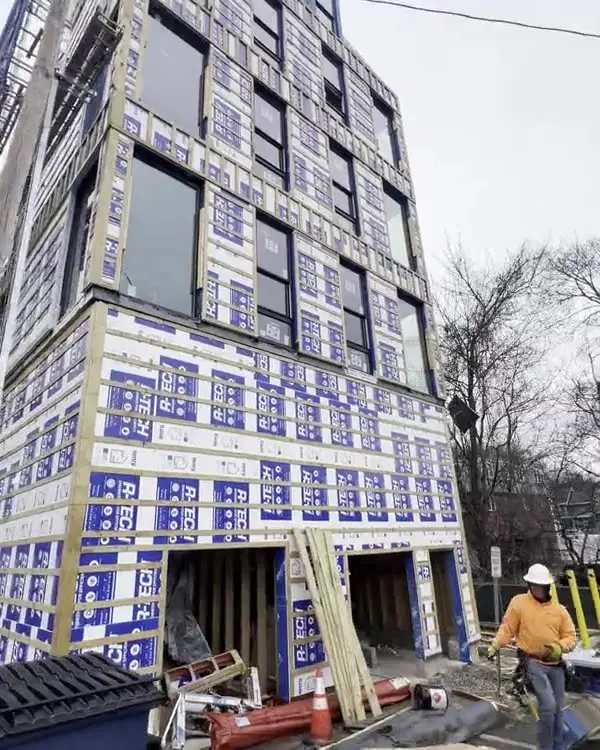
Your install starts with the same prep as any siding job we do. We tear off the old siding, inspect and photograph the sheathing, replace rotten boards, and wrap the house in DuPont Tyvek HomeWrap with taped seams. Every window and door gets flashed. Because insulated panels are thicker, we use deeper channels and trim at windows, doors and corners so everything closes up clean. We'll show you a cut sample at your free estimate so you can see how thick the foam is and how it sits behind the vinyl.
What's included
- Tear-off of old siding, hauled away
- Sheathing photographed and inspected
- Rotten sheathing replaced
- DuPont Tyvek HomeWrap, seams taped
- Flashing at every window and door
- Foam-backed vinyl siding panels
- Deeper channels sized for the panel
- Daily cleanup and magnet sweep
Signs it's time
- Cold walls or drafty rooms in winter
- Wavy walls that show through thin vinyl
- Dents and cracks from hail or kids' games
- Older home with little wall insulation
- Panels that rattle or flap in the wind
What the foam backing actually does
The foam on insulated vinyl is usually expanded polystyrene, shaped to the back of the panel and bonded to it at the factory. It supports the vinyl along its full width, so the face can't flex in and out. That's why insulated siding hides waves in an older wall and holds up better to impact than hollow vinyl. The foam also fills the gap that hollow vinyl leaves behind each course, so the panel lies tight to the wall. Panels are often longer than standard vinyl too, which means fewer seams.
Insulated panels are thicker, so standard J-channel and corner posts are too shallow for them. We use accessories with deeper pockets sized for the panel. The window and door trim may also need to stand out a bit farther. We plan that at the estimate so your casings and channels look right with the new depth. Your written quote lists those deeper accessories line by line, so none of the trim changes come as a surprise mid-job.
Insulated vinyl still moves with temperature like any vinyl, so nails stay loose and panels get gaps at every channel. It also still needs a weather barrier behind it, because the foam is not a water barrier. If you want more R-value than the siding gives, we can add continuous rigid insulation board to the walls before siding goes on. Popular insulated lines include CertainTeed CedarBoards, Alside Prodigy and Mastic Structure. Progressive Foam Fullback is a foam backer that can be paired with standard vinyl panels. Tell us which one you want and we price that exact product.
What happens behind your insulated vinyl siding
You won't see most of this once the job is done. That's why we photograph it before we cover it.
- Substrate inspected and photographed before it's covered
- Every opening flashed so water gets directed back out
- Seams and laps of the weather barrier taped and sealed
- Fastening and clearances per the manufacturer's manual
- Soffit ventilation kept open, corners and returns sealed
- Site cleared and magnet swept at the end of every day