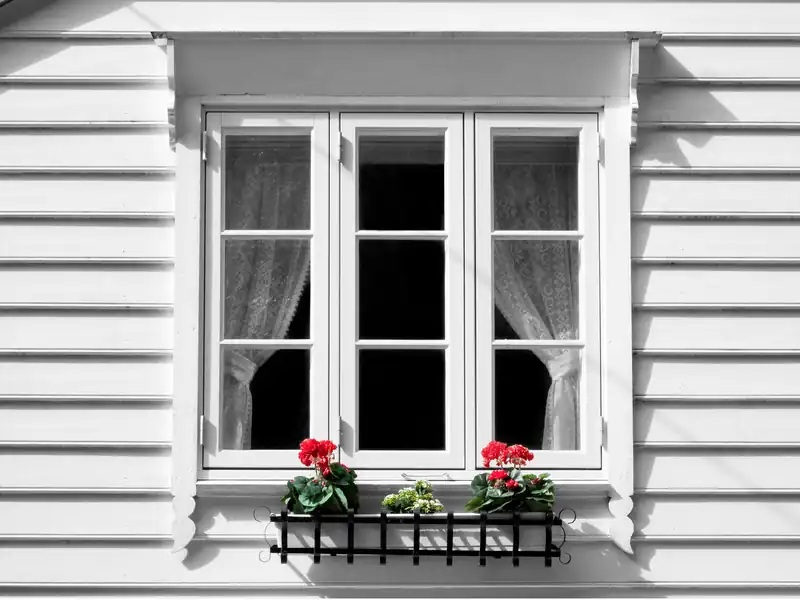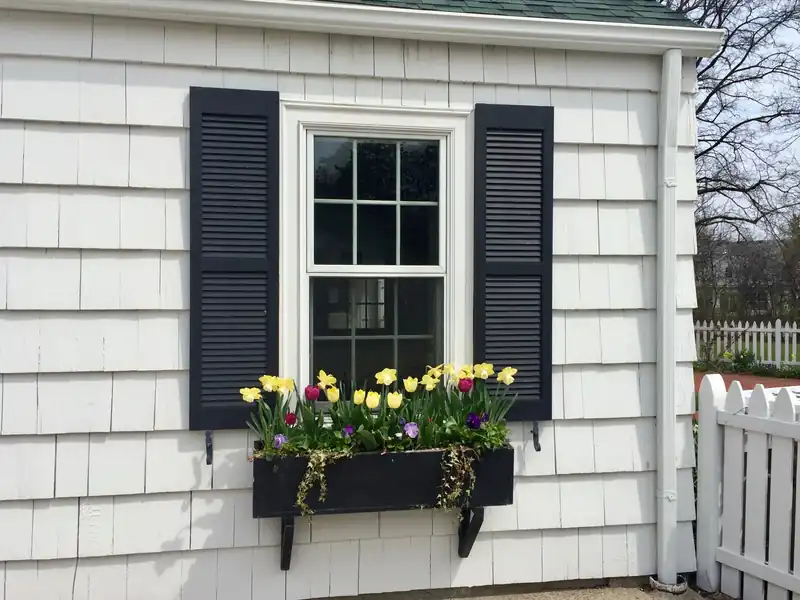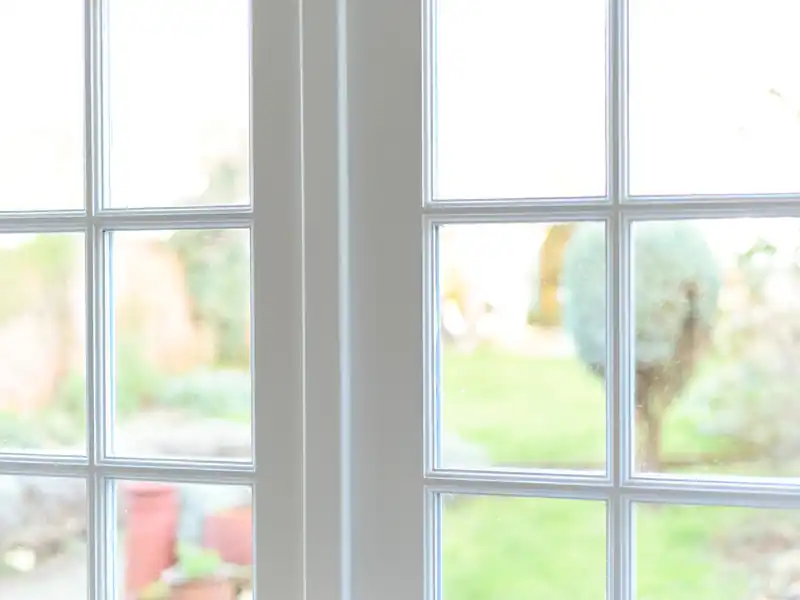

A casement window is hinged on one side and swings outward when you turn a crank. The whole sash opens, so you get the full width of the window for fresh air. When it closes, the sash pulls tight against the weatherstripping on all four sides. That firm seal is why many homeowners pick casements for the windy side of the house or for rooms that always felt drafty. On a gusty hilltop in Worcester County, that difference is easy to feel.
Casements are a strong choice over a kitchen sink, where reaching up to lift a sash is awkward. You turn a small handle and the window opens. They also show up on ranches and newer colonials, and they pair well with a picture window in a living room. On a Cape with a bedroom under the roof, a casement can give you a larger clear opening for egress. And because there's no rail across the middle, the view stays clear from edge to edge.
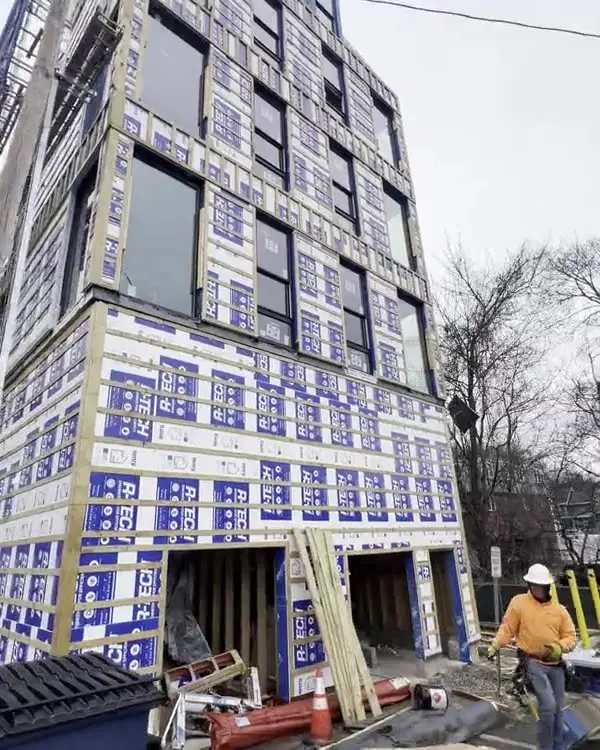
When we install your casements, we take out the old window, look at the rough opening and photograph any rot before covering it. We set a sill pan, flash the opening so water goes back out, tie it into the house wrap and set the unit square and shimmed per the manufacturer instructions. Outside, the trim gets wrapped in white aluminum. We adjust the crank and lock before we leave, clean up daily and haul the old units away. You get a written, line by line quote before any of it starts.
What's included
- Removal of your old window unit
- Inspection and photos of the rough opening
- Sill pan and flashing tape at the opening
- Laps tied into the existing house wrap
- Casement set square, shimmed and fastened
- Gap filled with low-expansion foam
- Exterior trim wrapped in white aluminum
- Crank and lock adjusted, site cleaned daily
Signs it's time
- The crank spins but the sash barely moves
- The sash no longer pulls tight when closed
- A bedroom window is too small to climb out
- Reaching over the sink to open a window is a chore
- Weatherstripping is cracked, flat or missing
How casement windows open, seal and clean
Inside the frame, a crank operator pushes an arm that swings the sash out on hinges. When you close it and flip the lock, the sash presses into compression weatherstripping around the whole frame. Wind pushing on the glass actually presses it tighter. Because the sash opens to the side, it can also catch a breeze moving along the house and steer it into the room. That's part of why casements are a favorite on exposed walls.
Most casements open wide enough that you can reach the outside glass from inside through the gap near the hinge. That makes cleaning easier on upper floors. For bedrooms, casements usually give more clear opening than a double-hung of the same size, so they are a common fix for egress. We check the size at your estimate, since codes set a minimum opening. Some models use a push-out handle in place of a crank, which some homeowners prefer for the look.
Glass options are the same as other styles. Double pane with low-E and argon is the common setup, and triple pane is available for colder rooms. Frames come in vinyl, fiberglass, wood or composite. One thing to plan for is clearance outside, since the sash swings out. We look at decks, walkways and shrubs so nothing blocks the window. Popular lines include Andersen, Pella, Marvin, Milgard and ProVia. Tell us which one you want and we price and install that exact unit.
What happens behind your casement windows
You won't see most of this once the job is done. That's why we photograph it before we cover it.
- Substrate inspected and photographed before it's covered
- Every opening flashed so water gets directed back out
- Seams and laps of the weather barrier taped and sealed
- Fastening and clearances per the manufacturer's manual
- Soffit ventilation kept open, corners and returns sealed
- Site cleared and magnet swept at the end of every day