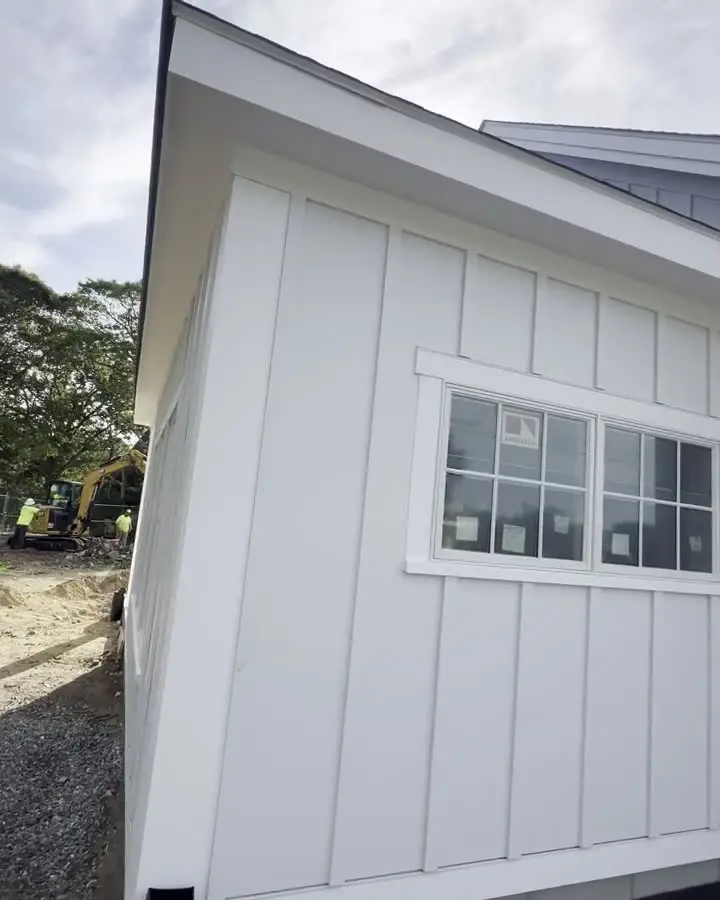

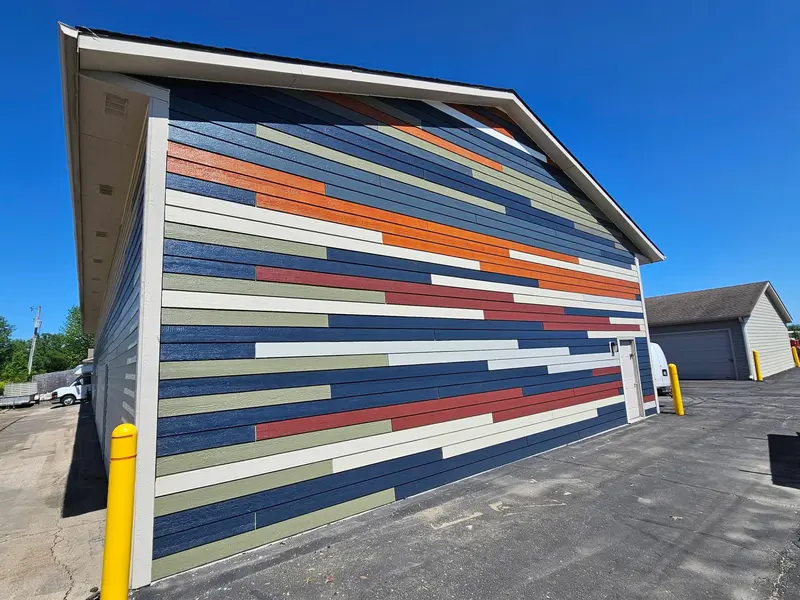
Metal and aluminum panel siding gives your building straight lines and a modern edge that's hard to get from any other material. It's a strong fit for contemporary homes, additions that need to stand apart from the original house, accent walls, and commercial or multifamily buildings that need a clean, durable face.
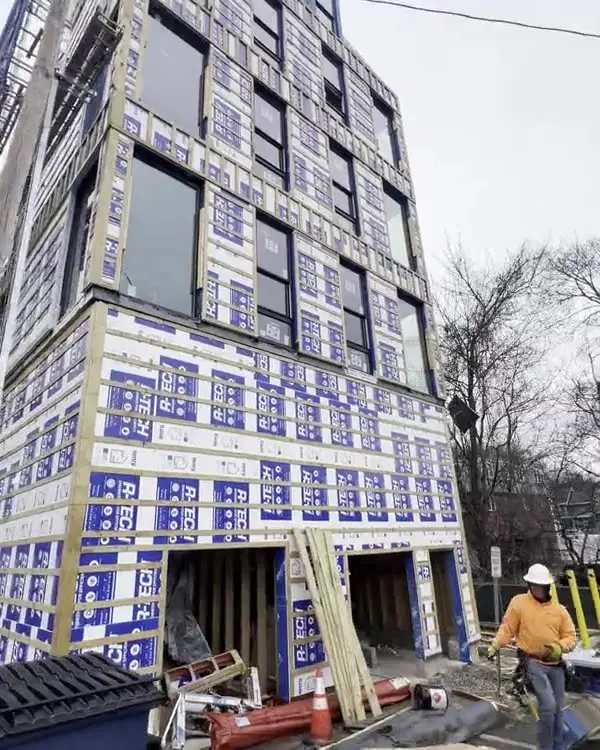
Metal panels don't forgive sloppy layout. Every reveal, corner and transition shows, so the wall behind them has to be flat and the plan has to be worked out before the first panel goes up. We inspect and photograph your substrate, fix what's off, then wrap and flash the wall so water never sits behind the metal.
We also work as a subcontractor for general contractors on commercial and multifamily projects. Whether you own the building or you're running the job, you get a written scope, a schedule you can plan around, and a crew that keeps your site cleared and magnet swept at the end of each day.
What's included
- Layout planned around your openings
- Substrate inspected and photographed
- Sheathing repairs where needed
- Weather barrier taped and sealed
- Every opening flashed before panels
- Metal or aluminum panels with trim
- Corners and transitions sealed
- Daily site cleanup with magnet sweep
Signs it's time
- You want a modern look on a new build
- An addition that should contrast with the original
- Commercial front that looks dated or worn
- Accent wall to break up a plain elevation
- Siding beat up by salt and plows near the road
Where metal panels fit best
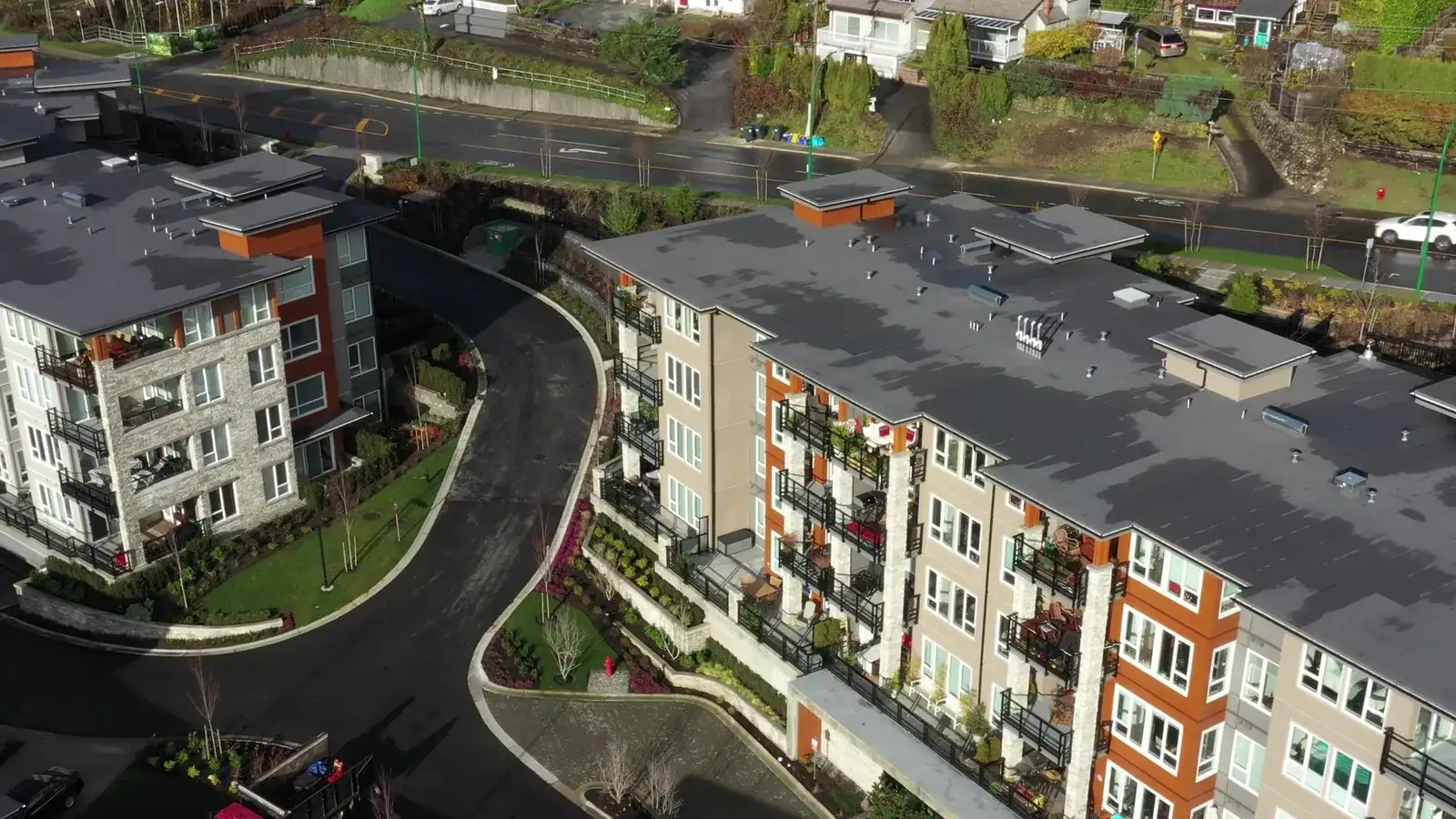
Metal works hardest on buildings that take abuse. Storefronts and multifamily buildings near busy roads deal with road salt spray, plow damage and constant traffic. A metal face holds up to that and keeps its lines, which is why property owners and general contractors across Massachusetts call us when a worn facade needs replacing.
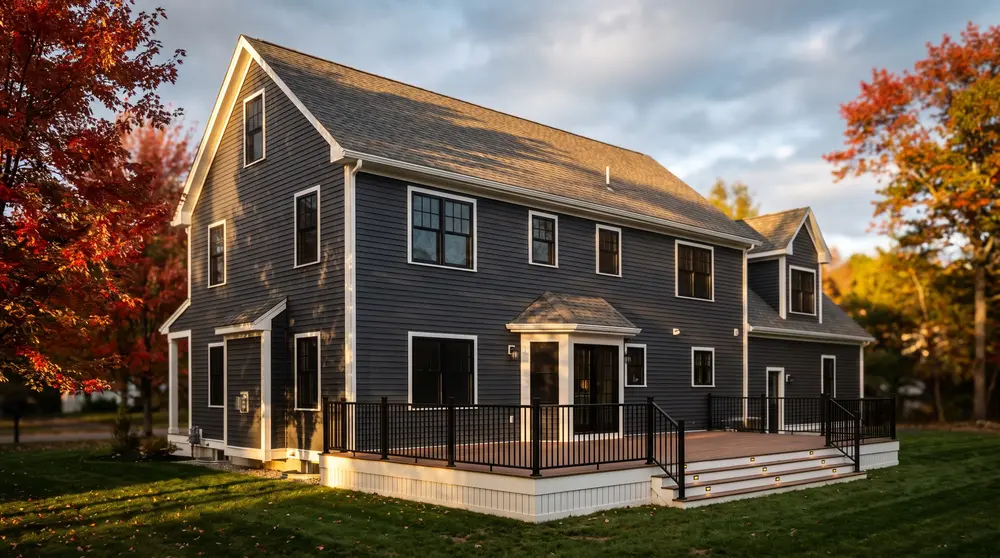
On a home, metal is often an accent. A dark panel on a stair tower, a garage, or a new addition next to traditional lap siding can look sharp when the transitions are planned. We map where materials meet so each joint is flashed and sealed, with no exposed edges for water to chase.
Movement is the other thing to plan for. Metal expands in summer sun and shrinks in a January cold snap. Panels need the fastening and clearance the manufacturer manual calls for, so they can move without oil-canning or popping fasteners. We follow that manual on every wall, and we check the panel lines again before the crew packs up.
What happens behind your metal siding
You won't see most of this once the job is done. That's why we photograph it before we cover it.
- Substrate inspected and photographed before it's covered
- Every opening flashed so water gets directed back out
- Seams and laps of the weather barrier taped and sealed
- Fastening and clearances per the manufacturer's manual
- Soffit ventilation kept open, corners and returns sealed
- Site cleared and magnet swept at the end of every day