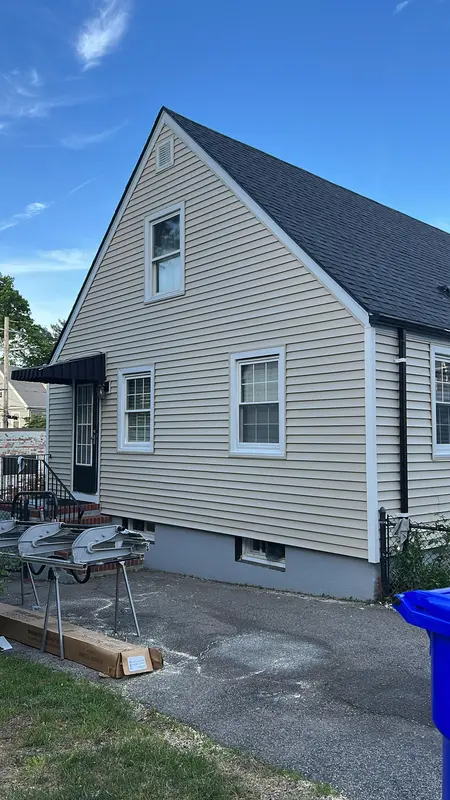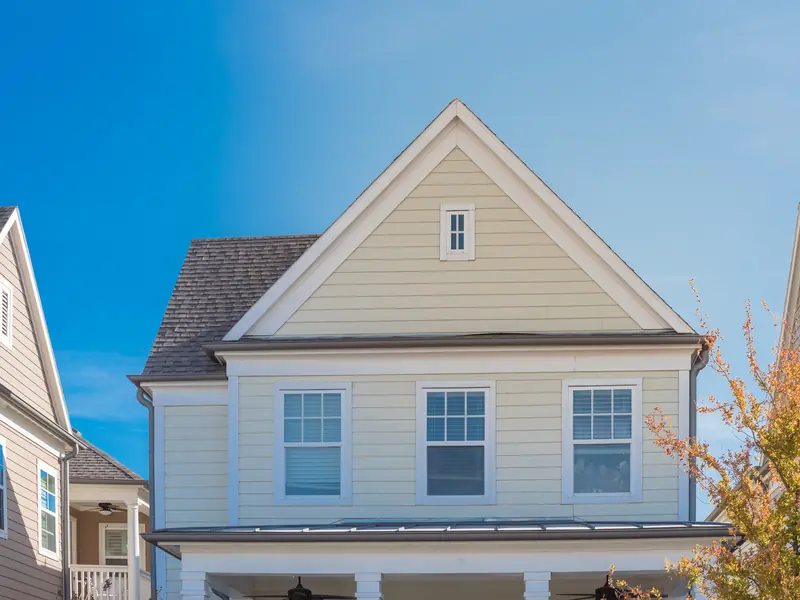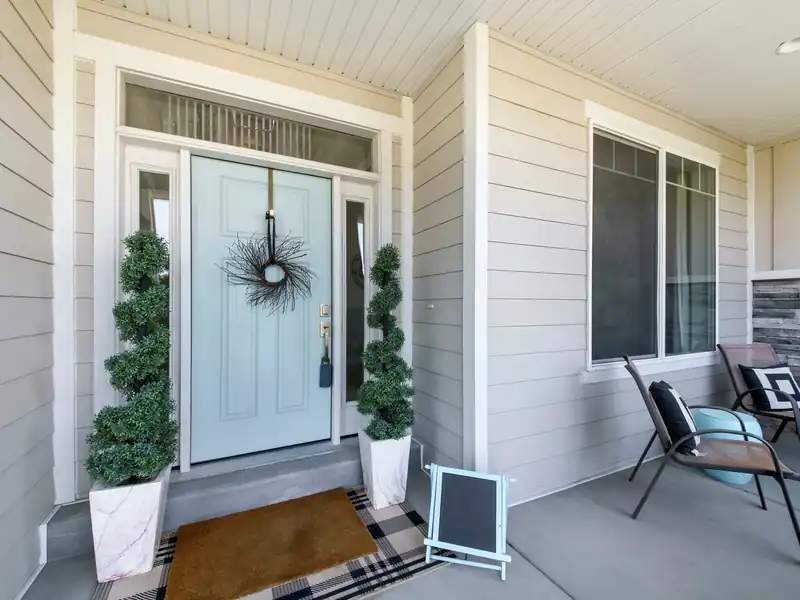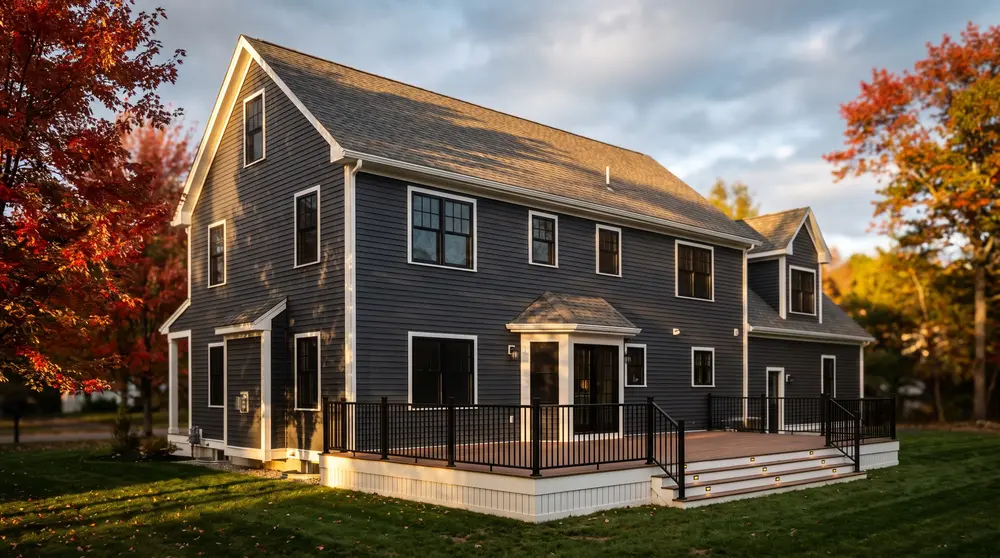

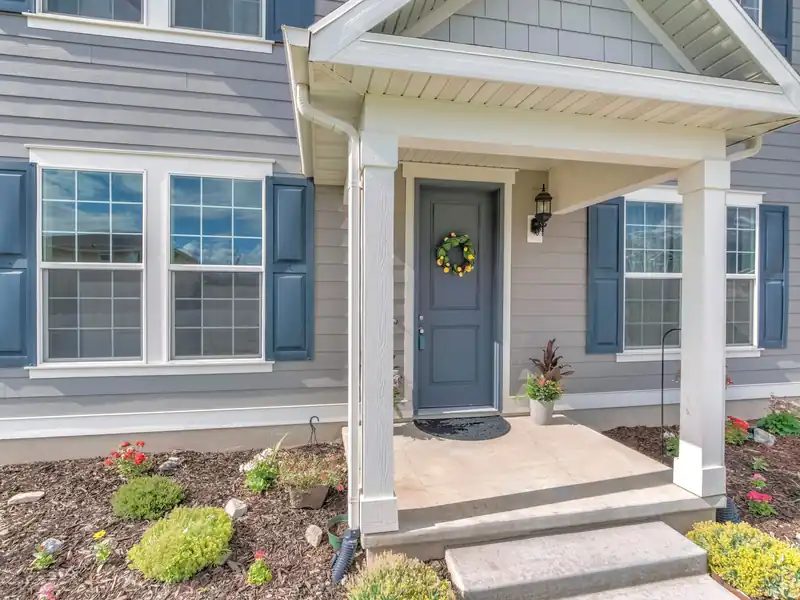
Dutch lap is a lap siding profile with a concave cove cut along the top of each board. That curve throws a deeper shadow than a plain beveled clapboard, so your walls look like hand-planed boards from a distance. It's one of the most common vinyl profiles on capes, ranches and colonials around Central Massachusetts, and it hides small waves in an older wall better than a flat clapboard face does. If your house has a few soft spots in the wall plane, Dutch lap is a forgiving choice.
We install Dutch lap in Gentek vinyl, and premium Gentek colors come at no upcharge with us. That matters with Dutch lap, because the deeper shadow line makes richer colors look even better. Your job gets the same prep as any siding job we do: full tear-off, sheathing photographed, rotten boards replaced, DuPont Tyvek HomeWrap with taped seams, and every window and door flashed before the first course goes up. Bring a photo of a house you like and we'll match the color family at your free estimate.
The profile is only as good as the install. Dutch lap shows every crooked course, because the shadow line runs dead straight across the house. We snap level lines off your foundation, check them at every window, and keep the courses lined up around corners. Nails go in loose and centered in the slots so the panels can slide as they expand and shrink between January and July. At the top of the wall, the last course gets trimmed and locked into a finish strip so it can't pull loose in wind.
What's included
- Tear-off of old siding, hauled away
- Sheathing photographed before we wrap
- Rotten sheathing replaced
- DuPont Tyvek HomeWrap, seams taped
- Flashing at every window and door
- Gentek Dutch lap in your color
- Level courses checked at every opening
- Daily cleanup and magnet sweep
Signs it's time
- Plain clapboard looks flat from the street
- Older walls with waves that show through
- Faded or chalky vinyl on the sunny side
- Cracked or loose panels after winter
- Wood clapboard you're done painting
What makes Dutch lap different
Most vinyl lap siding comes as a double panel, meaning one piece of vinyl shows two courses. Common Dutch lap sizes are double 4 inch and double 4.5 inch, which is the exposure, or how much of each course you see. A smaller exposure looks more traditional. A larger exposure means fewer lines on the wall and a more modern feel. We'll show you both sizes on a sample board so you can see the difference in person before you decide.
The cove at the top of each course is what gives Dutch lap its look. Light hits the flat face, and the curved groove above it falls into shadow. On a clapboard profile that shadow line is thinner. That's why Dutch lap is popular on older New England homes, where a little texture goes a long way. It also makes small dips in an old wall harder to spot, because the eye follows the shadow line instead of the face.
Dutch lap installs like any vinyl lap siding. It starts on a starter strip at the bottom, locks into the course below, and gets nailed through the slots at the top. Panels overlap at the ends by about an inch, and we stagger those overlaps so they don't line up in a visible column. Vinyl moves with heat, so we leave gaps at every channel. Popular Dutch lap lines include Gentek, CertainTeed, Mastic, Alside, Royal and Ply Gem. Premium Gentek colors come at no upcharge with us. If you want a different line, tell us which one and we price that exact product.
What happens behind your Dutch lap siding
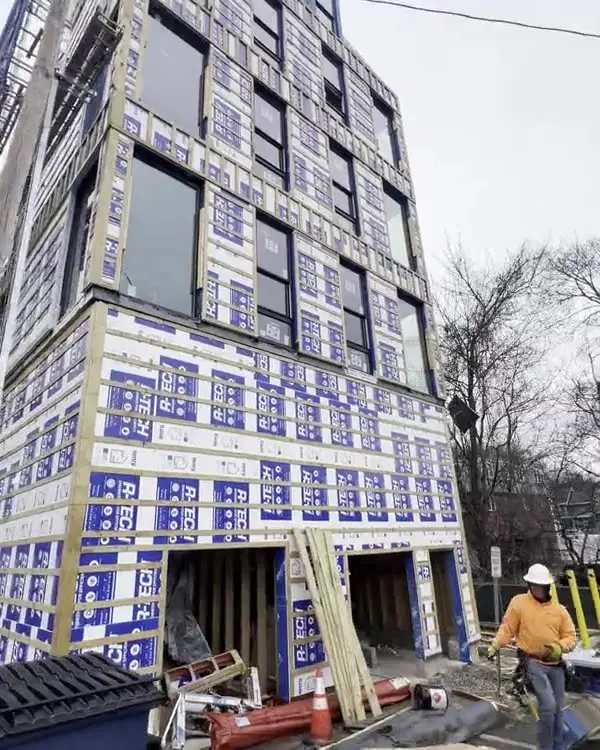
You won't see most of this once the job is done. That's why we photograph it before we cover it.
- Substrate inspected and photographed before it's covered
- Every opening flashed so water gets directed back out
- Seams and laps of the weather barrier taped and sealed
- Fastening and clearances per the manufacturer's manual
- Soffit ventilation kept open, corners and returns sealed
- Site cleared and magnet swept at the end of every day