
A wood deck is still the most affordable way to get outdoor space off your back door. Pressure-treated lumber takes stain well, it's easy to repair down the road, and it can be framed to almost any shape or height. Built right, it carries a heavy New England snow load and gives you years of summer dinners outside.
Built wrong, it starts moving. We see it all over Central Massachusetts: decks on shallow pier blocks that frost has pushed up unevenly, posts buried in dirt and rotted at the base, ledgers with no flashing. The boards look tired, but the real damage is lower. Once a footing heaves, your stairs go out of square and your railings loosen.
That's why a wood deck from us starts in the ground. In East Otis we tore out an old deck and rebuilt it completely on 17 new sonotube footings, with pressure-treated framing, new stairs and a new railing. Every post sits on concrete poured below frost. Your deck gets the same approach whether it's a low platform or a deck off your second floor.
What's included
- Tear-out and haul-away of your old deck when needed
- New sonotube concrete footings
- Pressure-treated posts, beams and joists
- Ledger bolted and flashed against your house
- Ground-level or elevated framing with proper bracing
- Pressure-treated decking boards
- Stairs and railing built as part of the frame
- Permit pulled before we break ground
Signs it's time
- Your deck bounces or sways when people walk across it
- Posts are sitting directly in the dirt or on loose blocks
- Boards are soft or spongy, especially near your house
- Your stairs have pulled away or no longer sit level
- You can see rust streaks or rot around the ledger
Ground level or elevated, the frame is what you're paying for
A ground-level deck sits close to the soil, which means less airflow and more moisture under the boards. We keep ground contact out of the design, set posts on footings rather than in the dirt, and leave room for air to move. That keeps your framing drier on shady lots where moss and damp hang around all spring.
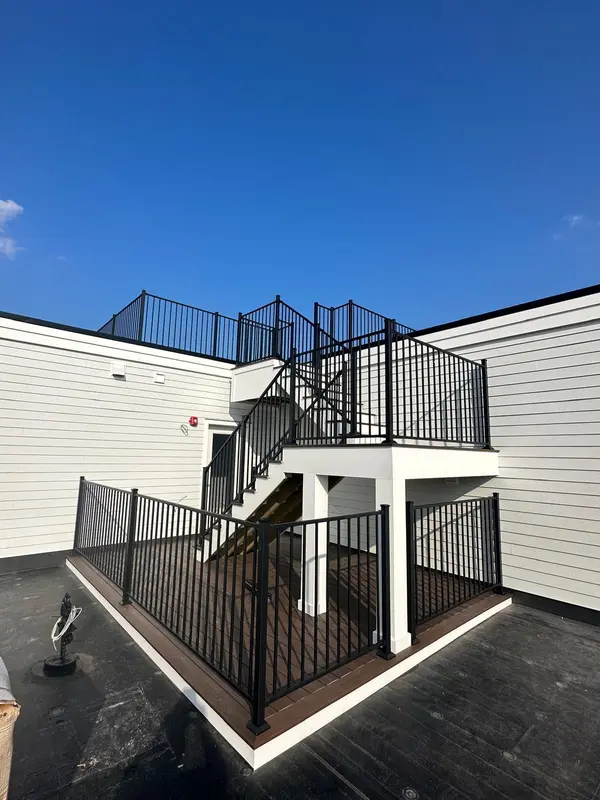
An elevated deck has a different job. It's carrying people high off the ground, so post size, bracing and the ledger connection all matter more. We bolt and flash your ledger against the house, brace posts so the deck doesn't rack, and lay out stairs with an even rise so nobody trips coming down at night.
What happens behind your wood decks
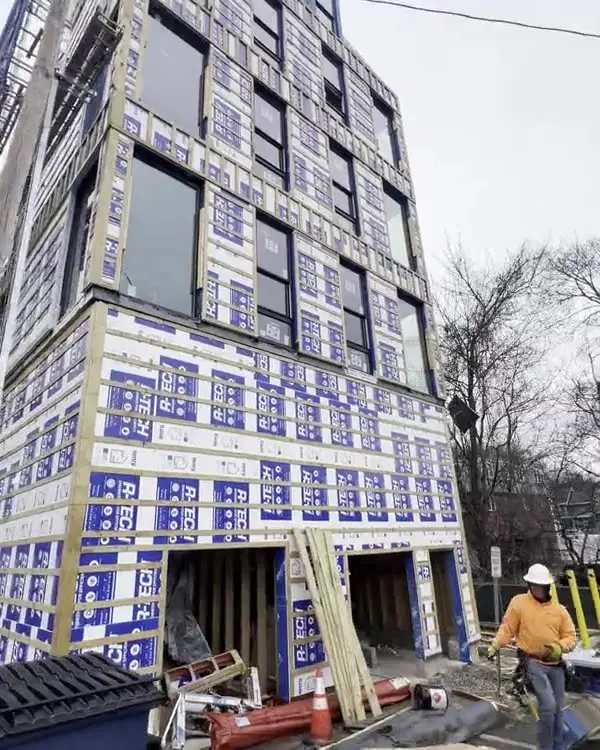
You won't see most of this once the job is done. That's why we photograph it before we cover it.
- Substrate inspected and photographed before it's covered
- Every opening flashed so water gets directed back out
- Seams and laps of the weather barrier taped and sealed
- Fastening and clearances per the manufacturer's manual
- Soffit ventilation kept open, corners and returns sealed
- Site cleared and magnet swept at the end of every day